
Another challenging case for THE MYSTERY MACHINE!
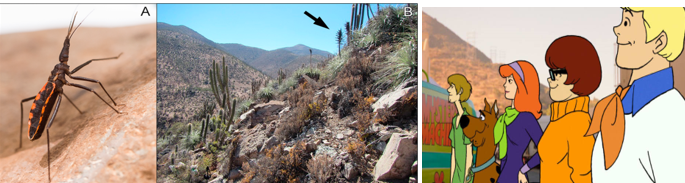
We have received information about a strange insect in some parts of northern Chile. People are worried about this bug and for this reason they contacted us for an investigation and advice. The insect was found by Mr. Frias in 1998 (Figure 1).
This is a relatively new specie detected on the northern coastal zones of Chile, Regions I and II (18˚ and 26˚ South). Region I: Arica Province; Arica City, Caleta Vitor. Iquique Province: Punta de Lobos. Region II: Antofagasta Province. Piedras Negras, Cachinales, Bandurria (Figure 1). However, can also be found in domestic environments and in human houses (Schofield et al. 1982). This species is associated with stones and rocks crevices.
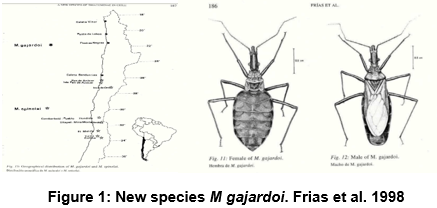
Mr. Frias describes the morphology of this insect in the following way:
- Females: Overall color black. Head black, strongly granulose. Antennae black with hair in all segments. Rostrum is black with rostral segments slender. Eyes small never reaching the inferior level of the head. Thorax: pronotum subtrapezoidal, uniformly dark. Anterior lobe granulose. Posterior lobule rugose. Scutellum subtriangular, black on semicircular sclerite. Micro elytra reaching until the first segment of the abdomen. Legs uniformly black. Tibia with short erected and curved hair. (Frias, 1998).
- Males: Overall color is black. Hemelytra never attaining. The head is rugose with curved black pilosity. Antennae is hairy like female. The first antennal segment did not reach the apex of the clypeus. Rostrum same color of the head. The neck is lighter than the head (light brown). Thorax: pronotum subtrapezoidal, uniformly dark. The posterior lobe dark, rugose striated transversally. Scutellum subtriangular. Sterna lighter than terga. Hemelytra never attains the apex of abdomen. Legs uniformly black, long, and slender. Tibia heavily hairy (Frias, 1998).
Eggs are white and ellipsoid about 2 mm long and 1 mm wide. (Figure 2 ). Nymphs look similar to adult but they are smaller and with different colors. They do not have wings.
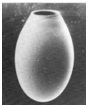
Figure 2. Egg structure of M gajardoi. 30x. (Frias et al. 1998).
- This insect feeds on blood, and is specifically known as vessel feeders of vertebrates, preferring habitats near their hosts (Askew 1971; Santa Anna et al. 2017). Adults who are mainly nocturnal will fly to seek hosts for a blood meal and mating, while nymphs, living in nests near their food source, will feed on the similar hosts as the adult insects.
- The insect is associated with seaweed collector settlements in the coastal areas of the northern parts of Chile. In that area, this insect feed on sea birds, marine animals, lizards, dogs, cats, and humans. (Gonzalez et al. 2015).
- Chile’s north is dry and arid, with sunny dry conditions for most of the year. The Atacama desert is one of the driest places on Earth. It has some of the world’s lowest amounts of rainfall and highest levels of solar radiation, blocked from moisture by the Andes Mountains on one side and by the coastal range on the other.
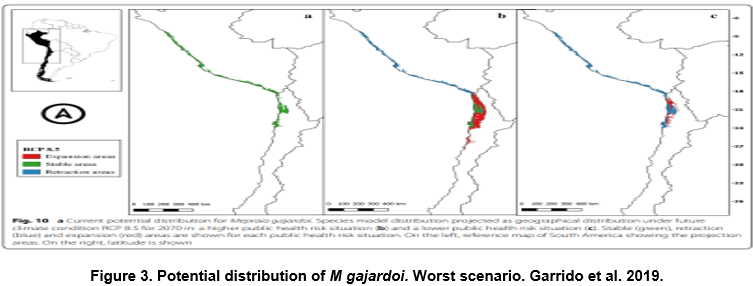
- We discovered a study (Garrido, 2019) that used the species distribution model (SDMs) to examine the future geographical distribution of this new species. The model correlates different environmental predictors applied to a specific area. Predictors such as annual precipitations, temperature annual range and extreme environmental factors, such as mean temperature range for warmest and coldest quart were used. The study suggests modest, medium, and high-risk scenarios. The image above (Fig. 3) presents the worst scenario possible by 2070 (Garrido, R. et al. 2019).
In this link, Garrido and his colleagues explains this study: https://parasitesandvectors.biomedcentral.com/articles/10.1186/s13071-019-3744-9

Why should the Chilean people be worried?
In this worst scenario is possible to observe the displacement of this insect towards areas with a high density of population and not just coastal areas (rural areas). This possible phenomenon could get even worst if we added a huge displacement of new immigrant people from Peru, Colombia, and Venezuela in the same corridor. The governments in these areas should consider this scenario a prepare in advance mitigation policies to control this insect as well as the preparation of people in the medical field.
What other things did we discover?
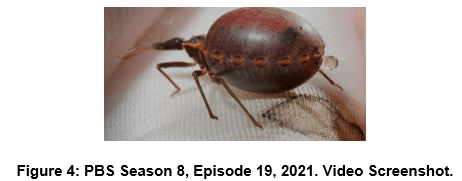
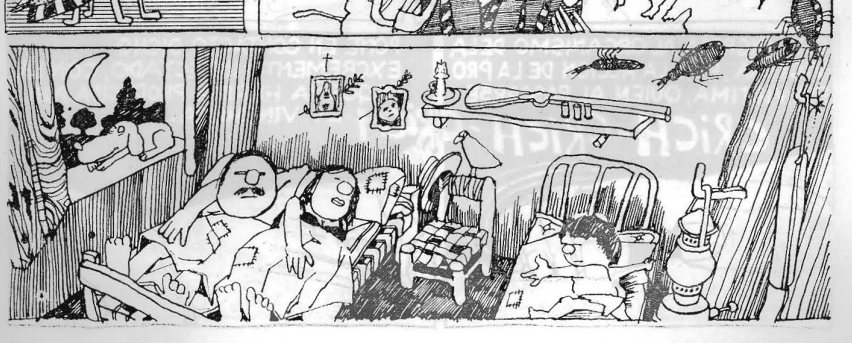
During feeding, the insect ingests a large blood meal, but this action limits its movement. To eliminate this excessive amount of water, the insect often defecates during feeding (Figure 4). Feces are deposited near the bite site and because the bite is usually very itchy, we think a parasite gets into the bite from host scratching.
The insect bites can produce a small skin lesion. In other cases, swelling of the tissue at the bite site can last several days and can produce urticarial lesions associated with pain. Some severe reactions can last for up to a month. Other allergies include hives, swelling of the eyes (Figure 5), swelling at the site of the bite, and intense and persisting itching (Klotz et al. 2014).
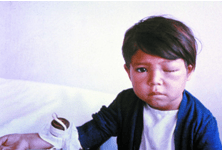
Figure 5: Child with Romaña sign. Image by U.S. Public Health Service. Chagoma. (ScienceDirect 2022)

What do we think about this Chilean new species?
According to the scientific literature, the morphology of the insect, its behavior, and the reactions of its bite in humans, we concluded that this new species belongs to the Family Reduviiade (Kissing bugs), Genus Triatome. The parasite associated with this species is called Trypanosoma cruzi. The parasite is responsible for Chagas disease.
How is the disease detected?
In the acute phase, Chagas disease is diagnosed when the parasite is detected in the bloodstream by microscopic examination. Polymerase chain reaction (PCR) testing can provide a more accurate indication of the presence of this parasite.
During the chronic phase, the parasites are hidden mainly in the heart and digestive muscles. One to 3 decades later, up to a third of patients suffer from cardiac disorders and up to 1 in 10 suffer from digestive (typically enlargement of the esophagus or colon), neurological or mixed alterations. In later years the infection in those patients can cause the destruction of the nervous system and heart muscle, consequent cardiac arrhythmias or progressive heart failure and sudden death (WHO, 2024)

Our recommendations:
To kill the parasite, the Chagas disease can be treated with benznidazole or nifurtimox. Both medicines are fully effective in curing the disease if given soon after infection at the onset of the acute phase (WHO, 2024).
The World Health Organization recommends the following approaches to prevention and control:
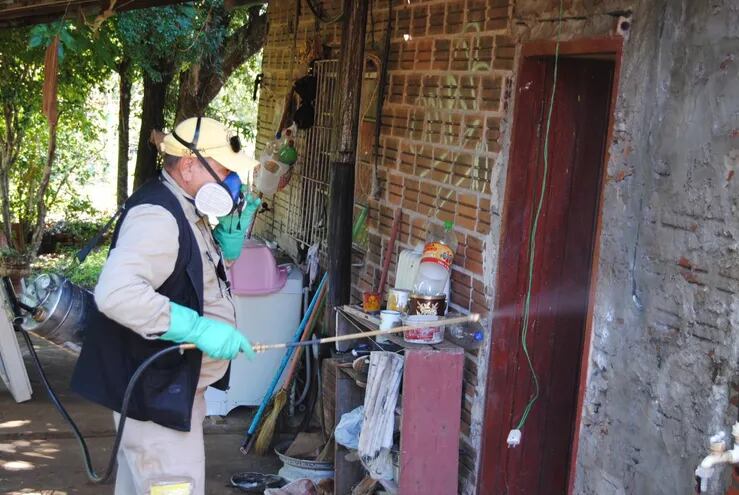
- Spraying dwellings and surrounding areas with residual insecticides.
- Personal preventive measures such as bed nets, good hygiene practices in food preparation, transportation, storage, and consumption.
- Development of contextualized information, education and communication activities for different actors and scenarios about preventative measures and surveillance tools (one health approach);
- Screening of blood donors.
- Testing of organ, tissue or cell donors and receivers.
- Access to diagnosis and treatment of people with medical indication or recommendation to do antiparasitic treatment, especially children and women of child-bearing age before pregnancy; and
- Screening of newborns and other children of infected mothers without previous antiparasitic treatment to do early diagnosis and provide treatment.
Check this WHO link for more information about Chagas disease:
https://www.who.int/news-room/fact-sheets/detail/chagas-disease-(american-trypanosomiasis)
Finally, as we mentioned before, governments in these areas should consider the new displacement and expansion of this new species and prepare in advance mitigation policies to control this insect, as well as the preparation of people in the medical field.
Another case resolved by The Mystery Machine! See you next time.
By Marcelo Gallardo
Posted February 25, 2024.


 La Vinchuca
Leave a comment